
☰
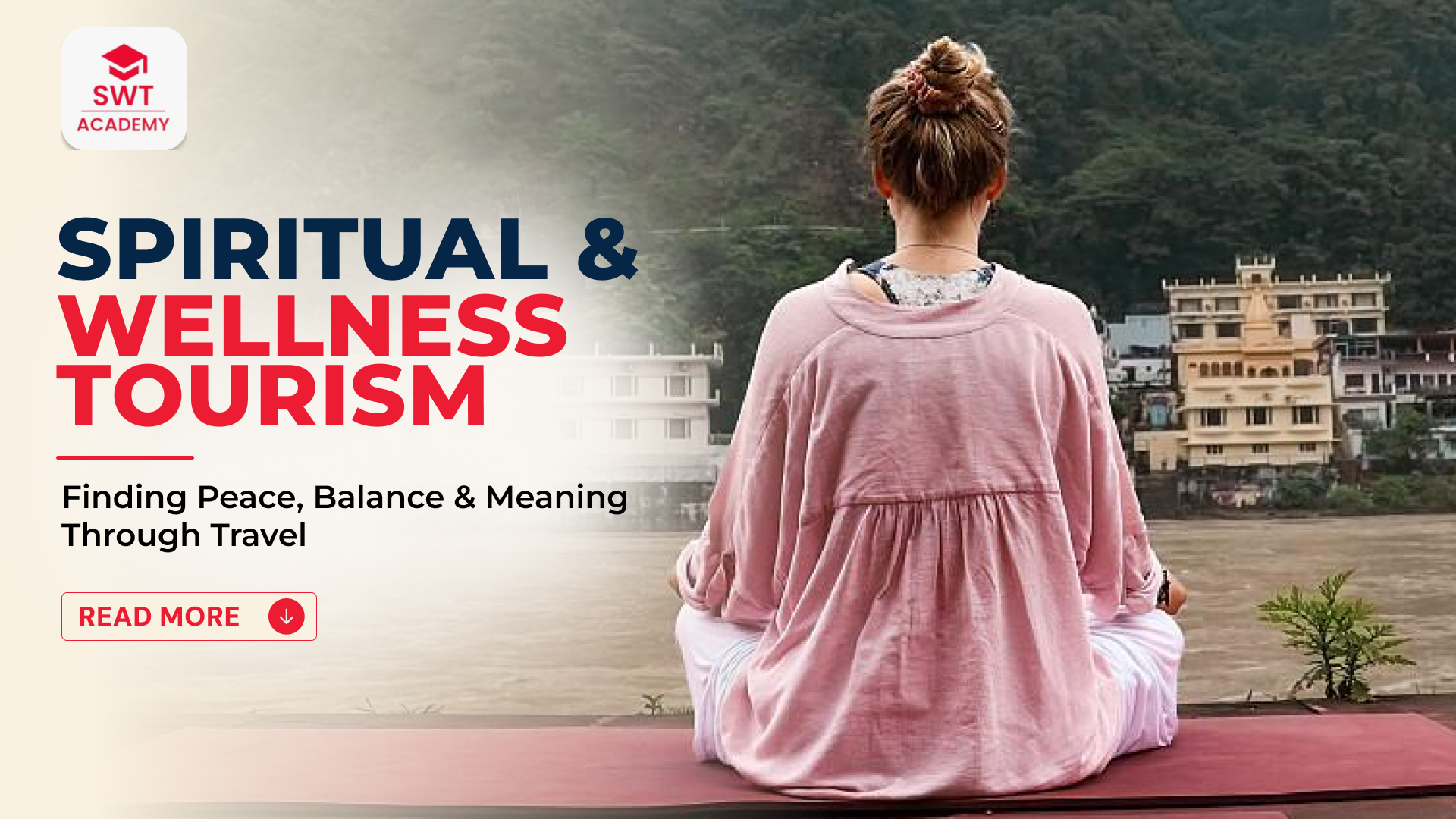
In today's fast-paced world, travel is no longer just about exploring new destinations or taking a break from daily routines. Many travellers are seeking something deeper: peace of mind, relaxation, self-discovery and a healthier lifestyle. This growing interest has made Spiritual and Wellness Tourism an important trend in the modern tourism industry.
From yoga retreats in Rishikesh to meditation centres in the Himalayas, travellers are increasingly choosing journeys that help them reconnect with themselves while exploring new places.
Spiritual and wellness tourism focuses on travel experiences that support personal well-being, relaxation, spiritual exploration and a balanced lifestyle.
Although the two concepts are closely related, they have different primary purposes.
Spiritual Tourism involves travelling to religious sites, sacred destinations and places associated with faith, meditation or spiritual traditions. It may include pilgrimages, visits to temples, monasteries and ashrams, and participation in spiritual practices.
Wellness Tourism focuses on maintaining or improving physical and mental well-being through activities such as yoga, meditation, spa therapies, Ayurveda, nature retreats and healthy lifestyle experiences.
Together, these forms of tourism offer travellers an opportunity to combine exploration with personal well-being.
Modern lifestyles often involve busy schedules, digital distractions and limited time for relaxation. As a result, many travellers are looking for holidays that offer more than sightseeing.
Several factors are contributing to the popularity of this tourism segment:
The growing demand for meaningful travel experiences is encouraging tourism businesses to develop specialised wellness and spiritual packages.
India has a distinctive position in this tourism segment because of its rich spiritual traditions, ancient wellness practices, diverse landscapes and cultural heritage.
Several destinations offer different types of experiences.
Known for yoga, meditation and spiritual retreats, Rishikesh attracts visitors interested in mindfulness, yoga practice and the spiritual traditions associated with the River Ganga.
One of India's oldest living cities, Varanasi is known for its sacred ghats, temples, religious ceremonies and deep cultural and spiritual significance.
Bodh Gaya is an important Buddhist pilgrimage destination associated with the enlightenment of Gautama Buddha. It attracts pilgrims and visitors interested in Buddhist philosophy and meditation.
Kerala is well known for wellness retreats, Ayurveda-based experiences, nature tourism and relaxation programmes. Visitors can combine traditional wellness experiences with backwaters, beaches and scenic landscapes.
The Golden Temple attracts visitors from India and abroad who come for spiritual reflection, worship and the community tradition of langar, where meals are served to people regardless of their background.
These destinations demonstrate how spiritual and wellness tourism can offer diverse experiences, from religious journeys to relaxation-focused holidays.
Yoga and meditation programmes allow travellers to focus on mindfulness, relaxation and self-awareness. Retreats may include guided sessions, breathing exercises and time spent in peaceful natural surroundings.
Some travellers visit wellness centres to experience Ayurveda-inspired treatments, traditional therapies and lifestyle programmes. Such experiences should be selected carefully, with qualified practitioners and appropriate medical guidance where needed.
Pilgrimage journeys to temples, monasteries, mosques, churches and other sacred places remain an important part of spiritual tourism. These journeys can also introduce visitors to local traditions, architecture and community life.
Nature retreats offer experiences such as forest walks, mountain stays, peaceful beach holidays and outdoor mindfulness activities. These experiences allow travellers to take a break from crowded urban environments.
Wellness holidays may include nutritious meals, cooking workshops, mindful eating and activities that encourage healthier daily habits.
Spiritual and wellness tourism can create economic opportunities for destinations and local residents.
Demand for retreats and pilgrimage services can support accommodation providers, local guides, yoga instructors, wellness centres, transport operators, restaurants and small businesses.
It can also encourage the preservation of traditional practices, local architecture and cultural heritage.
However, responsible planning is essential. Destinations must manage waste, protect natural resources, respect local customs and prevent overcrowding at sacred sites.
Technology is making it easier for travellers to discover and organise spiritual and wellness holidays.
Travel platforms and AI-powered tools can help users compare retreats, find suitable destinations, prepare itineraries and estimate budgets.
Online bookings, virtual consultations and digital wellness programmes also help travellers explore different options before making a decision.
Despite these advantages, travellers should verify the qualifications of wellness providers, the authenticity of programmes, the facilities offered and the actual costs before booking.
Although this tourism segment offers significant opportunities, it also faces certain challenges.
Some destinations experience overcrowding during religious festivals and pilgrimage seasons. Others need better infrastructure, trained professionals, sanitation facilities and clear visitor information.
There is also a need to distinguish genuine wellness services from unsupported health claims.
Tourism businesses can respond by offering transparent packages, qualified practitioners, culturally respectful experiences and smaller group retreats.
By focusing on quality rather than simply increasing visitor numbers, destinations can build sustainable and trustworthy tourism experiences.
The future of spiritual and wellness tourism is likely to focus increasingly on personalised experiences, nature-based retreats, mindfulness, traditional wellness practices and responsible travel.
Travel companies can develop packages that combine accommodation, yoga sessions, local cultural experiences, healthy food and guided excursions.
For tourism professionals, this segment offers an opportunity to create meaningful journeys for travellers who value relaxation, personal growth and cultural understanding.
Spiritual and Wellness Tourism represents a shift towards travel that supports not only exploration but also personal well-being and meaningful experiences.
India, with its spiritual heritage, traditional wellness practices and diverse natural landscapes, has considerable potential in this field.
As travellers increasingly look for balance and connection in their lives, destinations that offer authentic, safe and responsible experiences can stand out in the global tourism market.
🧘♀️🌿 Sometimes, the most meaningful journey is not about how far we travel, but how deeply we reconnect with ourselves.